
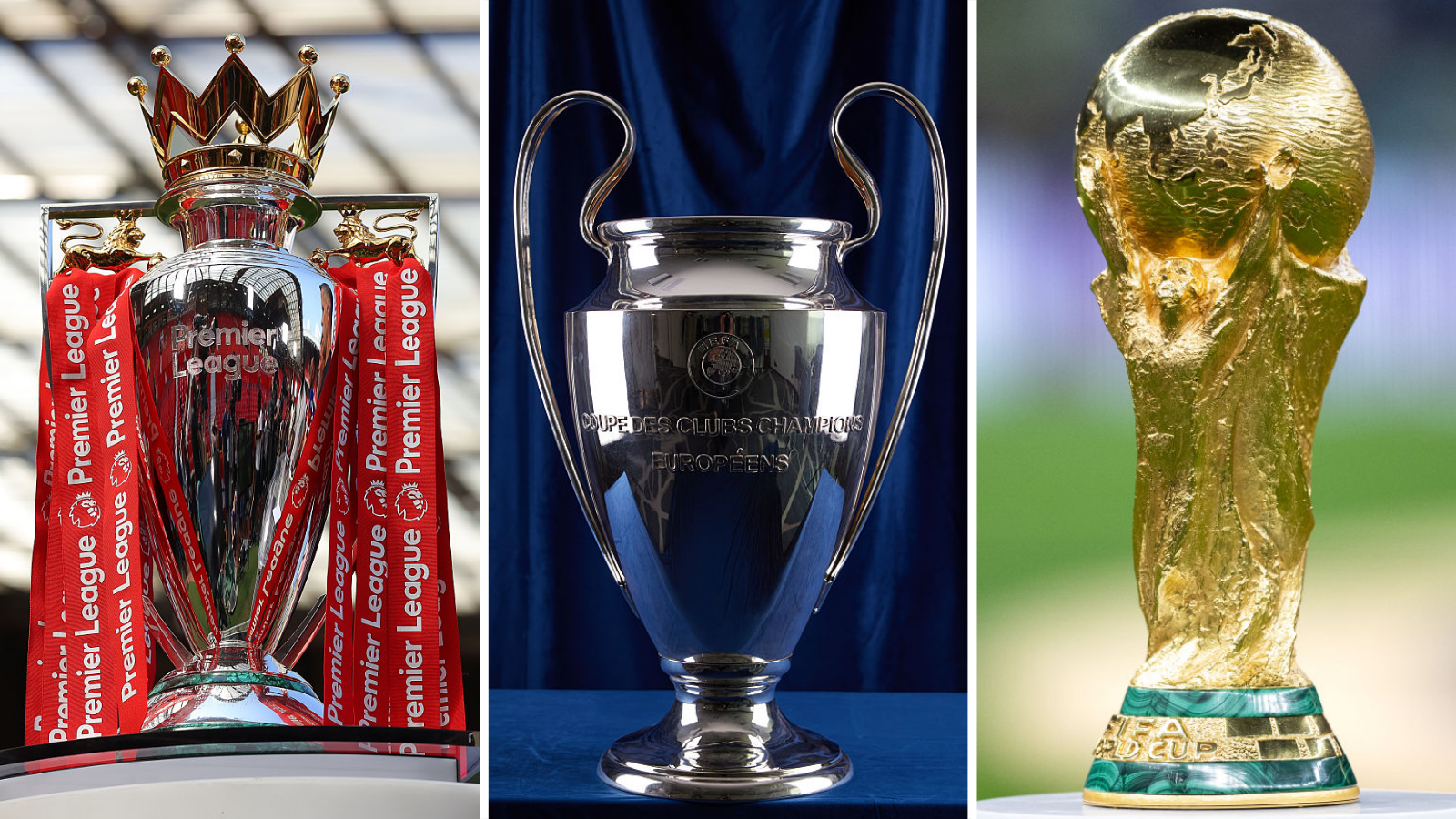
Matches that directly shaped the 2021/22 Premier League top-four race did not behave like ordinary fixtures: motivation, table permutations and risk tolerance pushed some games toward wide-open, high-scoring contests, while others locked into controlled, low-total patterns. For bettors, the opportunity came from recognising in advance which type of match they were dealing with and aligning over/under positions with each side’s incentives and tactical personality rather than with generic league averages.
Why top-four deciders naturally skew totals in one direction
When Champions League qualification hinged on one or two games, the stakes reshaped risk–reward calculations for both coaches and players in ways that directly affected goal volume. Teams needing only a draw to secure fourth often adopted conservative plans early, suppressing tempo and reducing shot counts, whereas sides that required a win—or needed to overturn goal-difference deficits—were forced into more aggressive structures that tended to inflate expected goals. Once one team scored first, these asymmetric incentives usually intensified: leading contenders protected margins, while chasing rivals committed extra bodies forward, further stretching the game and making either pronounced overs or firm unders more likely than in mid-season, low-leverage fixtures.
How the 2021/22 top-four race created specific “must-perform” fixtures
The battle for the final Champions League spots in 2021/22 revolved primarily around Tottenham and Arsenal, with Chelsea also needing to finish the job for third. On the final day, Spurs travelled to Norwich needing effectively just a point thanks to their superior goal difference, while Arsenal hosted Everton knowing that even a win might not be enough if Tottenham avoided a collapse. This combination—one side protecting an almost-secured position and another forced to chase every remaining edge—produced two different total-goal logics on the same afternoon, each traceable to simple table mathematics rather than emotion alone.
Mechanisms that push top-four deciders toward high totals
Certain patterns repeatedly drove high-scoring outcomes in these high-stakes games.
How attacking incentives turn pressure into goals
When a team’s only path to the Champions League ran through a win, pre-match plans typically included higher press lines, larger attacking numbers and more direct play, all of which increased shot volume and transition frequency. If the leading side scored first, the trailing team’s response—adding attackers, sacrificing a holding midfielder, or switching to aggressive shapes—further opened space, amplifying both their own scoring chances and the risk of being countered. Tactical research on goal-scoring patterns shows that transitions and shorter sequences can generate chances quickly under pressure, and in 2021/22’s decisive fixtures those sequences often cascaded once the game state forced one side to abandon caution.
Why some top-four deciders locked into low-scoring scripts
Not every crucial match became a goal fest; in some cases, the fear of making a decisive mistake overrode the desire to force a result, especially when both teams could live with a draw or only one side truly needed the win. When the side in the driving seat had strong defensive metrics and a history of controlling games with possession, they could aim to suffocate volatility by slowing tempo, recycling the ball and prioritising shape over risk, suppressing shot quality on both ends. In those cases, under 2.5 or even under 3 goals became more logical, because the expected path to qualification ran through stability and clean sheets rather than trading blows.
High- versus low-total top-four scenarios (conceptual)
| Scenario type | Incentive structure | Likely total tendency |
| Both teams must win to reach top four | Mutual attacking risk, stretched transitions | Bias toward overs |
| One team needs only a draw | Leader prioritises control and risk avoidance | Bias toward unders |
| Heavy goal-difference gap in tiebreaker | Trailing team forced into all-out attack | Overs if chasing side is competent in attack |
These patterns did not guarantee outcomes but signalled the direction in which totals were likely to lean once the interaction between table maths and team style was properly accounted for.
Using UFABET-style live pricing to track changing top-four dynamics
As decisive matches unfolded, every goal and concurrent scoreline from rivals updated the qualification picture in real time, often faster than casual observers realised. When another stadium’s result made a draw suddenly unacceptable—or turned a fragile lead into a nearly safe margin—teams adapted risk levels mid-match, and those tactical shifts filtered into in-play goal and handicap lines. In that context, a live bettor monitoring both the football and the evolving tables could watch how quickly an online betting site configured around Asian-style markets such as ufabet altered totals, and could compare those price moves against the new incentives; slow adjustments presented moments where the over or under temporarily reflected the “old” risk calculus rather than the updated one.
How casino online behaviour can blur the logic of high-stakes totals
Final-day and top-four deciders attract high viewership and emotional stakes, which in multi-product gambling spaces often encourages “event betting” that resembles entertainment spending more than structured analysis. Within a casino online context, many users treat these fixtures as centrepieces for accumulator tickets, loading overs or both-teams-to-score onto slips because the matches “feel big,” regardless of whether the table situation actually pushes toward attack or caution. For serious bettors, the edge lay in resisting that spectacle bias—treating these games not as one-off finales but as matches whose scoring distributions remained governed by clear incentives and tactical adjustments that could be analysed like any other.
Failure cases: when high-stakes totals logic broke down
Top-four logic failed most often when exogenous shocks—early red cards, key injuries, or goals in other matches—arrived too quickly for pre-match frameworks to hold. A team that planned to sit on a draw might be forced into chasing mode after conceding inside five minutes, or a rival’s unexpected collapse could suddenly make a conservative approach rational, pulling a game that had looked primed for goals back toward unders. These shifts did not invalidate the idea that stakes influence totals; they underlined the need for flexibility, smaller initial stakes, and a willingness to re-price the match state rather than clinging to pre-kickoff narratives once conditions had obviously changed.
Summary
In the 2021/22 Premier League, top-four deciders tended to produce either distinctly high or distinctly low totals because table mathematics and qualification incentives pushed teams toward clear risk profiles rather than generic mid-season behaviour. Games where both sides needed to win or overturn goal-difference gaps leaned toward stretched, chance-rich contests, while fixtures where a draw sufficed for the leader more often locked into controlled, lower-scoring scripts. Bettors who grounded their over/under decisions in those incentives—and updated them live as results elsewhere shifted the stakes—treated these high-pressure matches as structured problems, not as emotional lotteries.