
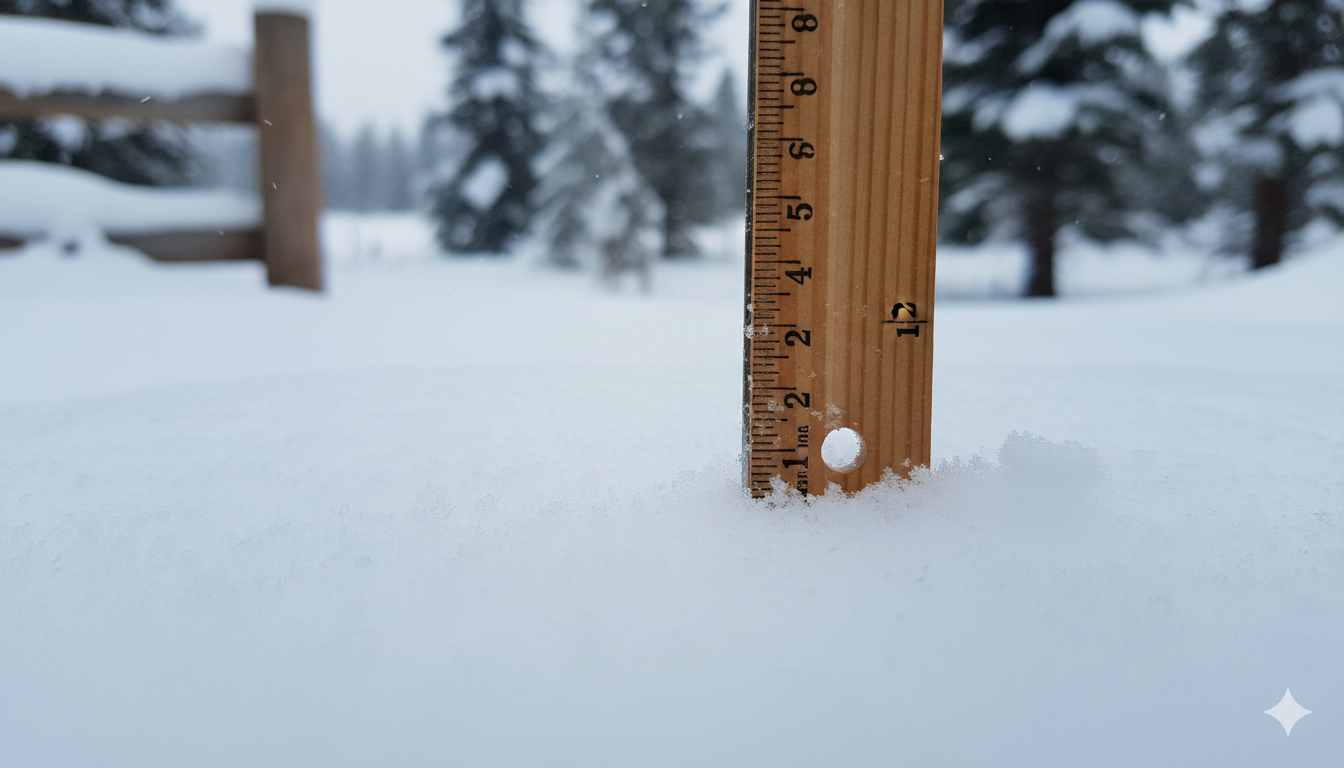
Snow totals are a critical measure for understanding the impact of winter weather. They represent the amount of snow that falls over a particular area during a specific period, usually measured in inches or centimeters. While seemingly straightforward, snow totals provide valuable insights for meteorologists, city planners, transportation departments, and even outdoor enthusiasts. By studying snow totals, we can better prepare for storms, anticipate potential hazards, and plan recreational activities safely.
Snow totals can vary dramatically based on location, weather patterns, and storm characteristics. For instance, coastal regions might experience heavy, wet snow, while inland areas receive light, fluffy accumulations. Understanding these variations helps communities respond effectively to winter weather conditions. In this article, we will explore the factors influencing snow totals, the methods used to measure them, and why they are essential for both safety and planning.
Factors That Influence Snow Totals
Snow totals are not uniform across regions, even within the same storm system. Several factors contribute to how much snow accumulates in a given area:
Temperature variations
Humidity levels
Storm intensity and duration
Geography and elevation
Wind patterns and direction
Each factor can either increase or decrease snow totals in specific locations. For example, mountainous regions often see higher accumulations due to elevation-induced precipitation, whereas valleys might experience less snow because of warmer temperatures and wind patterns. Temperature plays a crucial role; snow that falls in subfreezing conditions tends to be lighter and fluffier, increasing depth but not weight. Conversely, snow near the freezing point can be denser and more compact, affecting both transportation and structural loads.
How Snow Totals Are Measured
Accurate measurement of snow totals is vital for forecasting and historical record-keeping. There are several techniques used by meteorologists and weather enthusiasts:
Snowboards
Traditional rulers or yardsticks
Automated snow sensors
Satellite imagery and radar analysis
Snowboards, which are flat surfaces placed on the ground, allow meteorologists to measure snow accumulation without interference from melting or drifting. Measurements are typically taken at multiple points within an area and averaged to determine an accurate total. Automated sensors and radar data provide continuous, real-time measurements, offering valuable insights during ongoing storms. Despite technological advances, manual measurements remain an essential part of confirming the accuracy of automated reports.
Regional Differences in Snow Totals
Snow totals can vary widely across different parts of the world, influenced by climate, geography, and local weather patterns. Regions in the northern United States and Canada, for instance, often experience substantial accumulations during winter storms, sometimes exceeding several feet. In contrast, southern regions typically receive smaller amounts, with snow often melting quickly due to higher temperatures.
In Europe, the Alps see heavy snow totals that support skiing and winter tourism, while Mediterranean countries may only experience rare, light snowfalls. Understanding these regional differences is critical for infrastructure planning, including snow removal, road maintenance, and public safety strategies. Urban areas often have lower snow totals due to heat retention in cities, which can create microclimates that reduce accumulation. Coastal regions may also experience snow-to-rain transitions, affecting overall totals.
Importance of Snow Totals for Daily Life
Snow totals are more than just numbers—they affect everyday life in many ways. Communities rely on these measurements to prepare for and respond to winter storms:
Transportation safety and road maintenance
School closures and business interruptions
Winter sports planning and tourism
Emergency response coordination
Infrastructure stress and building codes
High snow totals can disrupt transportation, requiring efficient snow removal and road treatment plans. Schools and businesses often monitor snowfall reports to determine closures or delays. Recreational activities like skiing and snowboarding also depend on accurate snow totals for safety and enjoyment. Additionally, municipalities must plan for the structural load of accumulated snow on buildings, particularly in regions prone to heavy storms.
Historical Records of Snow Totals
Studying historical snow totals provides valuable information for climate research, urban planning, and risk assessment. Long-term records help identify trends in snowfall, including increasing or decreasing patterns due to climate change. These records also help meteorologists refine forecasting models, making predictions more accurate for future storms. Historical snow totals can reveal which areas are prone to extreme snowfall events, aiding in disaster preparedness and insurance planning.
For example, cities with historically high snow totals invest in robust snow removal equipment, while regions with occasional snowfall may need contingency plans rather than full-time infrastructure. Understanding past snow totals also informs public safety campaigns, ensuring residents are aware of potential risks during winter storms.
Tips for Tracking Snow Totals at Home
Even if you’re not a professional meteorologist, you can track snow totals accurately at home. Here are some tips:
Use a flat, elevated surface away from buildings and trees
Measure at the same time each day to maintain consistency
Take multiple measurements and calculate an average
Record totals digitally or in a notebook for reference
Tracking snow totals at home can enhance awareness of local weather patterns and contribute to community data collection projects. Amateur snow measurements are often shared with national weather services, helping improve regional snowfall estimates. Over time, these personal records can provide valuable insights for comparing yearly snowfall trends.
Impact of Climate Change on Snow Totals
Climate change has a profound effect on snowfall patterns and snow totals. Rising global temperatures can alter the timing, intensity, and distribution of snow events. Warmer winters may lead to more rain instead of snow, reducing overall totals in traditionally snowy regions. Conversely, some areas may see an increase in heavy, wet snow due to more moisture in the atmosphere.
Monitoring snow totals over time is essential for understanding these changes. Accurate data helps scientists assess the impact of global warming on winter storms, water resources, and ecosystems. Changes in snow totals also affect seasonal industries, such as skiing, winter tourism, and agriculture dependent on snowmelt for irrigation.
List of Key Points About Snow Totals
Snow totals measure the depth of snow accumulation in a specific area.
Variations in temperature, humidity, geography, and storm intensity influence totals.
Measurements can be manual, using snowboards and rulers, or automated with sensors and radar.
Regional climate and topography cause significant differences in accumulation.
Accurate snow totals inform transportation, safety, and infrastructure planning.
Historical records help analyze climate trends and improve forecasting.
Home tracking of snow totals contributes to local and national data collection.
Climate change is impacting snowfall patterns and the reliability of historical trends.
Conclusion
Snow totals are more than just measurements—they are vital indicators of winter weather’s impact on our daily lives, communities, and the environment. Understanding the factors that influence snow accumulation, how totals are measured, and their regional variations allows us to better prepare for storms, plan infrastructure, and engage in winter recreation safely. As climate patterns evolve, monitoring snow totals will remain a critical tool for both scientists and citizens in navigating the challenges of winter weather.
FAQs
What are snow totals, and how are they measured?
Snow totals refer to the depth of snow accumulation in a particular area. They are measured using snowboards, rulers, automated sensors, and radar, often averaged from multiple measurements for accuracy.
Why do snow totals vary between locations?
Variations in snow totals are influenced by temperature, humidity, storm duration, elevation, and wind patterns. Even nearby areas can experience dramatically different snowfall amounts.
How do snow totals affect transportation and safety?
High snow totals can disrupt roads, airports, and public transport. Accurate measurements allow authorities to deploy snowplows, salt, and sand, ensuring safe travel.
Can I track snow totals at home?
Yes. Use a flat, elevated surface away from buildings, measure consistently, take multiple readings, and record the data. These observations can support local meteorological reporting.
How is climate change impacting snow totals?
Rising temperatures may reduce snowfall in some regions or increase wet, heavy snow in others. Monitoring totals over time helps scientists understand changing weather patterns and plan for water resources and winter activities.