

In the last few years, one phrase has started appearing everywhere—from tech blogs to investment forums and even casual conversations: AI money. This term captures a powerful idea: artificial intelligence is no longer just a tool for efficiency, but a driving force behind how money is created, managed, invested, and multiplied. As AI systems become smarter and more accessible, AI money is reshaping personal finance, global markets, and the very concept of earning a living.
This article explores what AI money really means, how it works, and why it matters for individuals, businesses, and the global economy.
What Is AI Money?
At its core, AI money refers to the use of artificial intelligence technologies to generate, manage, predict, or optimize financial outcomes. This can include AI-powered trading bots, automated budgeting tools, intelligent fraud detection systems, and even AI-driven side hustles like content creation or algorithmic services.
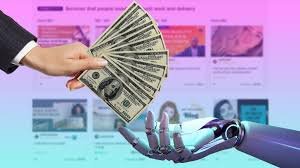
Unlike traditional money-making methods that rely heavily on human decision-making, AI money leverages data, algorithms, and machine learning models to make faster and often more accurate financial decisions.
The Rise of AI Money in Everyday Life
Not long ago, artificial intelligence was reserved for large corporations and research labs. Today, AI money is accessible to almost anyone with an internet connection. Mobile apps use AI to track spending habits, recommend savings strategies, and predict future expenses. Freelancers use AI tools to increase productivity and income. Investors rely on AI to analyze market trends in seconds.
This democratization of technology has turned AI money into a practical reality rather than a futuristic concept.
AI Money in Investing and Trading
One of the most visible applications of AI money is in investing. AI-powered trading systems analyze vast amounts of market data, news, and historical patterns to make buy or sell decisions. These systems operate 24/7, removing emotional bias and human fatigue from trading.
For everyday investors, AI money shows up in robo-advisors. These platforms automatically build and rebalance portfolios based on risk tolerance and financial goals. This makes professional-level investment strategies available to people who may not have access to traditional financial advisors.
AI Money and Passive Income Opportunities
Another exciting aspect of AI money is its role in creating passive income streams. AI tools can automate tasks such as:
- Running online stores with dynamic pricing
- Managing ad campaigns for maximum ROI
- Generating digital products like designs, music, or written content
- Operating chatbots that provide customer support or sell services
Once set up, these systems can generate AI money with minimal ongoing effort, allowing individuals to focus on creativity, strategy, or other ventures.
How Businesses Use AI Money
For businesses, AI money is about efficiency, scalability, and smarter decisions. Companies use AI to forecast demand, optimize supply chains, reduce waste, and detect fraud before it causes damage. Financial departments rely on AI to automate invoicing, payroll, and expense management.
By cutting costs and increasing accuracy, AI money directly improves profitability. Small businesses, in particular, benefit because AI tools level the playing field, allowing them to compete with much larger organizations.
AI Money and the Job Market
A common concern surrounding AI money is its impact on jobs. While some traditional roles may decline, new opportunities are emerging. AI needs human oversight, training, ethical guidance, and creative direction. Roles such as AI consultants, data analysts, prompt engineers, and automation specialists are growing rapidly.
In this sense, AI money is not just about replacing work, but transforming it. People who learn to collaborate with AI often find themselves more productive and better compensated.
Ethical and Financial Risks of AI Money
Despite its advantages, AI money is not without risks. Poorly designed algorithms can amplify biases or make costly mistakes. Overreliance on automated systems may reduce human judgment in critical financial decisions. There are also concerns about data privacy, transparency, and accountability.
Responsible use of AI money requires regulation, ethical standards, and financial literacy. Users should understand how AI systems work and avoid blindly trusting automated recommendations.
AI Money in Personal Finance
On a personal level, AI money is changing how individuals manage their finances. AI-driven apps can:
- Analyze spending habits and suggest savings goals
- Predict cash flow issues before they happen
- Optimize debt repayment strategies
- Offer personalized financial advice
These tools make financial management less intimidating and more proactive. For many people, AI money becomes a silent partner that helps them make better decisions every day.
The Global Impact of AI Money
Globally, AI money is influencing economic growth and financial inclusion. In developing regions, AI-powered financial platforms provide access to banking, credit, and investment opportunities for people who were previously excluded from the financial system.
At the same time, governments and central banks are exploring AI to monitor economic trends, detect financial crimes, and design smarter monetary policies. The reach of AI money extends far beyond individual wallets.
Preparing for an AI Money Future
As AI money continues to evolve, adaptability is key. Learning basic AI concepts, understanding data-driven decision-making, and staying informed about new tools can make a significant difference. You don’t need to be a programmer to benefit—many platforms are designed for non-technical users.
The future belongs to those who see AI money not as a threat, but as an opportunity to work smarter, earn more efficiently, and build sustainable wealth.
Conclusion
AI money represents a fundamental shift in how value is created and managed in the modern world. From investing and passive income to personal finance and global economics, artificial intelligence is weaving itself into every layer of financial life.
While challenges exist, the potential of AI money is enormous. By approaching it with curiosity, caution, and creativity, individuals and businesses alike can harness its power to shape a more intelligent and inclusive financial future.